• My chosen discourse community is the yogurt community, a group of individuals that mainly exists online. This discourse community’s members consist of individuals who love to eat, surround themselves with, and discuss yogurt. As mentioned, this community primarily gathers on social media platforms as a result of COVID-19. Within this discourse community, you can find banter on what the best yogurt and topping brands are, recipes using yogurt, and etc. The most prominent spaces that this discourse community exists in includes: TikTok, Instagram, and blogging platforms such as Tumblr. I, personally, believe that this is the case because these platforms allow individuals to create their own subsections of the platforms — allowing discourse communities to form due to the fact that there will be both “insiders” and “outsiders”. 

    In regards to communication practices, members of this community use the above platforms to discuss a variety of topics relating to yogurt – allowing specialized terms and eventually, a specialized language to form. To my knowledge, there are no physical gatherings of yogurt lovers that exist, as everything they would discuss already occurs online. Almost all communication in this discourse community is equal, as everyone has about the same amount of influence if that is the goal. There are no “yogurt influencers”, however, there are creators who focus on other topics but occasionally make yogurt content. One of my favorite people who does this is a TikTok creator named “Elle Gibson” who shares healthy recipes online. She is mainly known for her “healthier brownie ball” recipe (which is absolutely delicious if you care to try!) but she is also quite well known for her yogurt content which she makes a fair amount of. As clear by her content, Elle values healthier eating using quality ingredients which is something that a lot of members of the yogurt community, including myself, value.

    There are many values in this community, some shared by all and some shared by few, but the values shared by the whole body of people include: making delicious yogurt, always working to better one’s yogurt, and to promote inclusion and diversity within the community. Online, I have seen a few individuals use ethnic flavorings to create delicious yogurt bowls, yogurt-based dips, and other yogurt-based recipes. With these values in mind, I am interested in looking at the communication and nutritional side of yogurt, as I find those two to be the most interesting. I plan to look at online debates using both academic and informal sources that discuss the nutritional benefits of yogurt after adding in artificial flavors, dyes, and sugars.


  • I, personally, am involved in multiple discourse communities varying in topic and size. While they are all different groups, they all share the fact that they are considered discourse communities by definition. Recently, the three most prominent discourse communities in my life are: The Legend of Zelda community, the Yogurt community, and the Green Love community at San Diego State University.

    In the Legend of Zelda discourse community, the membership consists of fans of the franchise which includes people who have not played the games. Due to the price increase of gaming consoles and games, around 1/4th of the membership has very likely not played one of the games. Despite that, people who have not played any of the games are still included in the community — as they are still well-versed in the franchise lore and make an effort to surround themselves with content of the games. The Zelda community values discussion on the lore, whether that be new theories or general discussion of the games. Any discussion on the Zelda games is valued in this community, as the production of new games takes anywhere between 2 – 8 years roughly. Members of this community reach out and discuss using social media platforms and often congregate at conventions. Finding people with similar interests is often very hard so conversing online is the most efficient way for people in this community to meet and discuss. There is one common goal in the Zelda community which is, put simply: to enjoy the game! I have talked to numerous members of this discourse community and all we want is for people to learn about and enjoy the games to the fullest extent. In regards to learning the specialized lingo that comes with this group, it is learned by either surrounding oneself with content on the Legend of Zelda or by playing the games. The language used mainly refers to characters, places, games, and / or groups — all which are learned by playing the games or immersing yourself with Zelda content.

    For the Yogurt community — all enjoyers of yogurt who have access to social media are part of the community, regardless of age or gender. These members participate with the goal of creating and sharing delicious yogurt. Some people involved in this community are also interested in receiving feedback on their yogurt and getting tips on how to better their daily treats. The Yogurt community values taste, nutrition, and general positivity in daily life. Like the Legend of Zelda community, the Yogurt community communicates using social media platforms such as TikTok and Instagram — but mainly TikTok. The community works towards spreading positivity all over, educating its members, and sharing culture through yogurt. In regards to learning the language, it comes with being part of the community and making your own yogurt bowls daily. The specialized language mainly consists of yogurt and topping brand names which comes with consuming yogurt content or paying more attention at the grocery store. Overall, to learn the language, one must become part of the Yogurt community and learn by digesting content.

    Finally, the Green Love community is a sustainability commission that is part of Associated Students (AS) at SDSU. Students at SDSU of any major who are interested in environmental protection and sustainability can be members of this community; but some are not — whether that be due to a scheduling conflict, disinterest, or general unawareness. This community values sustainability and environmental justice and they work towards making the SDSU campus more sustainable one small change at a time. The group communicates via social media such as Instagram, GroupMe, and in-person meetings on Wednesdays. As mentioned, Green Love has a goal of making the SDSU campus more sustainable and to educate students on proper waste protocols. Little specialized language is used in this group but to learn it, one must either be an active member of club, keep up with GroupMe messages, or avidly read Green Love Instagram posts.

  • In all communities, there are unspoken values that are almost always unknown to the general public; and despite what some might believe, there are also unspoken values and goals in the yogurt community. These values are found when taking a deeper dive into the community and emerging yourself with it. In my experience, I have found — both through primary research and online — that the most prominent underlying values are: to educate and to honor culture / heritage through yogurt. These values are carried by all members of the discourse community, allowing for a unified community and for effective discussion.

    The first value mainly revolves around education — as a large goal of the Yogurt Discourse Community is to educate its members on nutrition and how to level up their yogurt. Nutrition isn’t the biggest deal to a lot of people; however, most people involved in the yogurt community are likely involved because they are interested in either overall gut health and / or nutrition — as yogurt strongly regarded as a health food, attracting those who are interested in healthy and / or nutritious eating. The Yogurt Discourse Community aims to educate its members on how to make yogurt as enjoyable as possible while also being filling. A lot of yogurt brands add excessive amounts of sugar in their yogurts; so as a result, the yogurt community tends to push the “healthier”, more nutrient dense yogurt brands to sustain long-term energy and to prevent sugar crashes. The most commonly used yogurt brands include Fage Greek Yogurt, Oikos Triple 0, and Chobani Zero Sugar — all of which have zero added sugars and a high amount of protein per serving. In this community, protein is quite important but other micronutrients are valued by the community including fiber, vitamins, and antioxidants. With that in mind, a lot of community members gravitate towards using chia seeds and various berries as toppings for yogurt to add a bit of fiber and vitamins to the meal. Nutrition is certainly not very important in the grand scheme of things, however, it is quite important to the Yogurt Community and for that reason: eating filling, nutrient dense meals is an underlying shared value of the community.

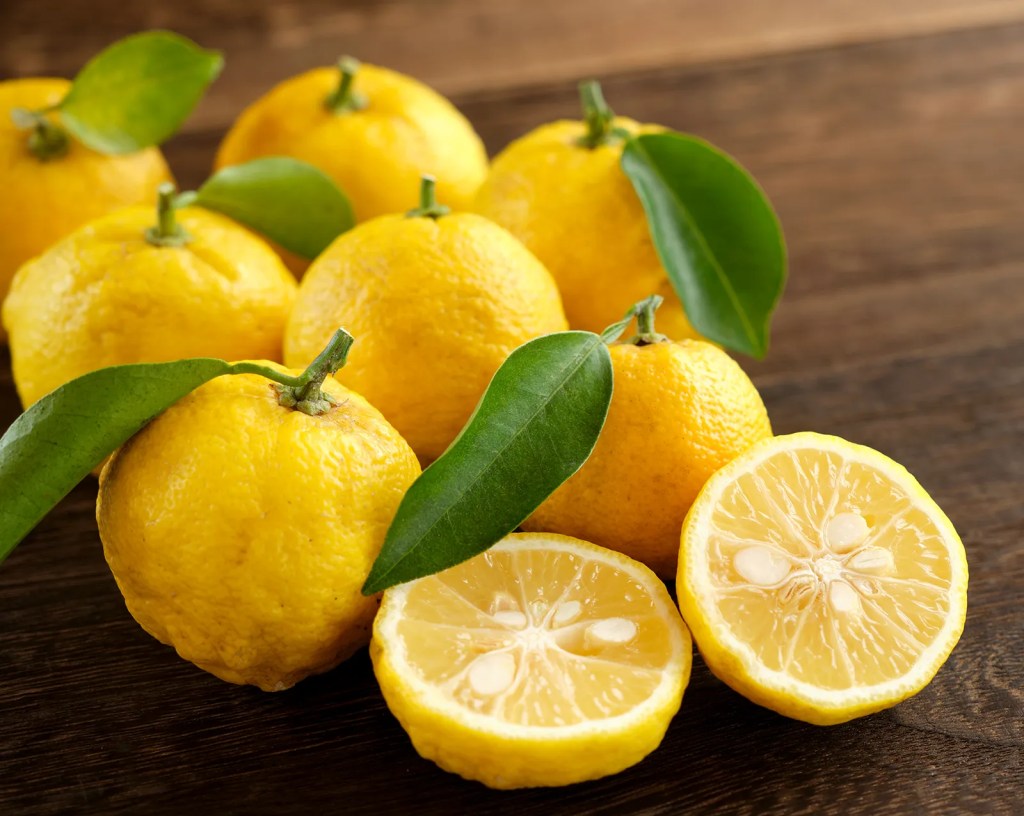
    The other underlying value in this community is the value of respecting and honoring one’s heritage through yogurt. This can be by adding flavorings such as yuzu, matcha, lychee, and etc to yogurt to represent one’s heritage. Educating members of the community on the diverse history of yogurt is also very important, making it clear that yogurt does not only have European roots, as it also has roots in Asia and parts of Africa. Yogurt in itself is very diverse, being used in different ways by different cultures so respecting one’s own heritage and representing it through yogurt is very important to members of the community. Online, there is an influencer who posts a lot of videos about yogurt who will add flavors or spices prominent in her culture and tell stories about her childhood and culture as she makes her daily yogurt bowls. With what was previously mentioned, her content is very powerful and successful due to the ability to recognize such an important unspoken value.

  • As time goes on, we find that there is a small community of people that has been slowly growing over time — and in this case, I am not talking about yogurt. With every year that passes, those who care about the environment find themselves growing more and more concerned. This group has grown exponentially within the last two decades with new, not very environmentally-friendly, technological advances. I have found myself feeling very close to this group for a long time so it shocked me to realize that both the yogurt and environmental community are at odds. There are many examples of this disagreement, such as: overconsumption of yogurt toppings, plastic waste when making yogurt, and the usage of paper bowls while eating yogurt. However, I have found the biggest problem so far to be with a specific product used to create a more niche type of yogurt: dry yogurt.

    On TikTok, the “dry yogurt” trend quickly rose to popularity due to its unique yet enticing appearance and its presentation online. Dry yogurt, in other words, is any type of yogurt with the liquid whey drained out of it to form a chalky and pasty substance. With this trend emerging, like a lot of other trends, a lot of people started promoting “strainers” so that making dry yogurt would be easier. At this time, it’s very normal for a new trend to bring a new trendy item but I have found that strainers tend to be a bigger issue. Yogurt strainers tend to be massive, often being sold to hold upwards of a gallon of yogurt. With their large size, they use a crazy amount of plastic for a single item that is essentially single use. It can be argued that yogurt strainers can also be used to make cheese and other things; however, the number of people who are interested in making their own cheese is very slim when you can buy it outright. On the other hand, due to its popularity, people feel that they “need” a yogurt strainer because of how easy it is to make and because you can’t buy it at a grocery store. This desire leads to the purchase of numerous yogurt strainers that will eventually end up in a landfill. Almost every trend has their silly single-use products — but with dry yogurt specifically, many people overlook the fact that you don’t need a yogurt strainer to make dry yogurt. When the trend originally started, many influencers used two bowls: one with yogurt in it and on top of that was another bowl with a heavy object inside. This creates a very similar effect to a strainer, where the bowl on top puts pressure on the yogurt (which is wrapped in a towel for separation) and allows the liquid whey to drain out and seep through the towel. About 24 hours after doing this, you will have dry yogurt.

    Albeit, the results of the bowl method are not nearly as promising as the ones with a yogurt strainer; but for. a declining trend, subpar results are not nearly as detrimental as the environmental impact that single-use strainers have. Some influencers may say that “dry yogurt is a lifestyle!” until it stops trending. Despite how interesting it is, this trend isn’t worth the consumption of another product that will sit in a cabinet collecting dust. With that in mind, there are many more sustainable ways of making this treat such as using a paper towel or cheese cloth.

  • Yogurt, being a household staple worldwide, has very few issues attributed with it. However, like all things, a few issues have recently arisen; most noticeably being the class action lawsuits against leading yogurt brands. The main claim of these lawsuits is that the plastic packaging leaks microplastics into the actual product. Multiple brands are involved in lawsuits over this claim but the most popular in the discourse community is Amy Wysocki vs. Chobani LLC, a case filed in the California federal court.

    According to Top Class Actions, Chobani is being sued for failing to disclose harmful plastic chemicals known as Phthalates. Wysocki also claims that third-party testing has revealed that numerous other plastic chemicals, stemming from the plastic packaging. Not only is this against state and federal consumer laws, but it also completely contradicts Chobani’s brand and packaging; where they state that their products include “only natural ingredients”, which is entirely disproved by the testing results. A lot of other leading yogurt companies are facing similar issues such as Dannon LLC. The Environmental Projection Agency (EPA) has also recently been dragged into the case, as they have reported that Chobani and other brand’s products likely contain carcinogens. Another article, published by the National Institutes of Health (NIH), discusses the contamination of microplastics in flavored yogurt and the impacts on our health. The article does not name any brands, however, due to prior knowledge — the article very likely is referring to big yogurt brands including Chobani and Dannon. The authors of this article were able to use statistics to determine if microplastics can be found in flavored yogurt and the result was overwhelmingly positive. With both articles, it is clear that the contamination of microplastics in yogurt is a prominent and current issue in the yogurt community. Despite what some might think, not all of the yogurt community is opposed to this issue; in fact, the whole community is split.

    Both the Chobani case and the general pollution of microplastics in yogurt have been widely discussed amongst many social media platforms; including but not limited to TikTok, Instagram, and X. The community has essentially split down the middle on this topic: with some refraining from purchasing yogurt in plastic containers or yogurt in general, while others remain unaffected: arguing that if Chobani has to change their packaging, so does every other big brand of yogurt. This issue impacts everyone who consumes yogurt however, not everyone changes how they consume yogurt based on this issue.

  • The active bacteria cultures in yogurt are not the only type of “culture” that it can have. The term “culture”, loosely defined by Merriam-Webster is: a set of shared attitudes / beliefs and traits of a racial, religious, or social group. With that, people from different backgrounds have found many creative ways to bring their culture into yogurt.

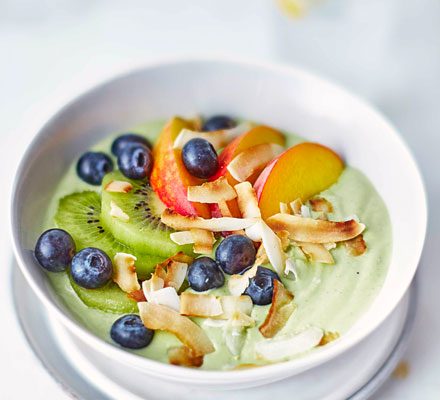
    With the rise of yogurt bowls via social media platforms, individuals have found unique ways to bring their unique cultures while creating yogurt bowls. A prominent example of this that I often see is bringing traditionally Asian flavors into yogurt. People will add Matcha, Ube, and Yuzu powders and/or flavorings to their yogurt; bringing part of their culture in to yogurt. Not only can ethnic culture be brought in, but more local culture can also be incorporated in yogurt. Online, a lot of Californian’s have been known to get locally grown almonds and fruits to add to their yogurt bowls, adding part of their location into their yogurt.

    A yogurt bowl featuring a Matcha flavored base and various fruit toppings.

    To say the least, yogurt can fit anyone’s individual cultural identities as long as they make the effort to. With confidence, I can say that the practice of bringing tradition into yogurt keeps our community thriving. Despite my initial belief, there are in fact “artifacts” associated with yogurt. There is concrete archeological evidence stating that yogurt was made in specific bowls over 7,200 years ago in Croatia. These bowls are called “Rhyta / Rhyton Bowls”, a type of Danilo Pottery. Yogurt was founded in many parts of the world thousands of years ago so there being some sort of artifact associated with it makes sense. These bowls can now be found on display in the Metropolitan Museum of Art.

    A picture of a Rhyta / Rhyton bowl. They were made to depict animals.

    Back to the actual yogurt community itself, my favorite part about it is how it can bring people together. This Summer before we all left, I had a few friends over and we all made yogurt bowls with our own toppings. It was fun getting to try everyone’s yogurt and seeing what they like to add and how it fits their character. I found that day to be a perfect hangout and I learned a lot more about my friends. With that, I love how yogurt and food and general can casually bring people together and build stronger bonds over shared memories. To this day, we still say that we should do it again once we are all reunited. Going in another direction — I have reconnected with old friends from years ago over yogurt. With TikTok’s “repost” feature, I was able to repost a few videos about yogurt and an old friend reached out to me about it. We ended up hitting it off and met up in person after 4 years all because of a silly video about yogurt. So in short, my favorite part about this community is how it can bring people together in unexpected ways. I also love the fact that there is even a yogurt community in the first place, as I have loved it since I was a kid.

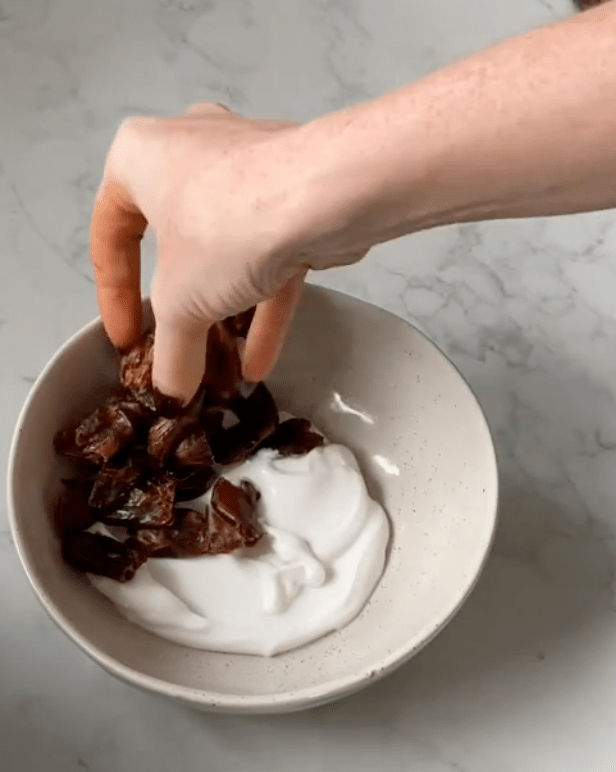
    An image of a few yogurt bowls with a variety of toppings.

  • Fiona Troy

    Hi all! Thank you for taking your time to read this blog. My name is Fiona, a current freshman in college and I will be using this blog as an introduction (as assumed by the title). At SDSU, I am a current International Business major; but I am looking to switch to General Business with a double major or minor in Biology. Right before coming to college, I had a random epiphany that I might want to be a dermatologist. I have always been very math-science wired but I only recently started thinking about a STEM career and medical school. With that recent revelation, literacy has been very prevalent in my life. Whether it be reading articles about dermatology or reading for hobby, there is always something that I am reading and trying to understand. My past English teachers have had very impactful effects on my reading and writing experiences; either introducing me to some of my favorite books like “Frankenstein” by Mary Shelley or teaching me punctuation that I will never forget, such as the semi-colon. Outside of academic settings, I am definitely not a writer but I do tend to read for pleasure. Comprehending literature is not my strong suit but I most definitely can enjoy a good story. In this college course, I am hoping to unlearn the inappropriate use of literary tools and writing run-on sentences; which is, admittedly, a very bad habit of mine. 

    In terms of pleasure outside of school, I’m not exactly part of many fandoms but I study art history and watch documentaries about it online. I find that reading and writing ties in with that very well, especially in regards to a college class I completed in my last year of high school. The class was an advanced European History course and one of the questions, titled a Document Based Question (“DBQ”), was on the analysis of artwork that was based on the French Revolution. We were asked to explain how the piece summarizes the revolution and how it related to a text that was also provided. There have been other times where I have read articles on specific pieces, but I find that this example perfectly sums up how art history and literacy often intersect. In regards to interaction on this topic, I would often discuss with a close friend named “Jossie” who I took the course with. These interactions mainly happened in our history class but also outside of class when the topic would arise. Besides art history, I also love to talk about music; and more specifically, my favorite artist Conan Gray. Recently I have been thinking about him a lot because I will be seeing him next month at the Viejas Arena! I am lucky enough to have already seen him 3 times in my life and I am excited for the 4th to be at my own University. I often talk about music with close friends and occasionally acquaintances to get the ball rolling.

    Image from “The Rolling Stone” by Dillon Matthew

    Recently, I have also taken to talking about tv shows – as I have been hooked on the show “The Summer I Turned Pretty”. I enjoy talking about this show with my friends from home but also with my mom, as she brings a different perspective that is less biased. We previously disagreed on who was the better boyfriend for the main character but she has officially switched sides. Admittedly, it is quite fulfilling to see her agree with me but she made some pretty good points. Overall, I find that reading and writing have major impacts on my outside life, whether that be reading articles or simply just exchanging texts about a topic. I’m most definitely not the best writer nor the most interesting person to read about – but I look forward to bettering my work in the upcoming months.

    Official image from “Prime Video”